
by Louis Garant, VP Business Development, Infrastructure
When people think about Indigenous partnerships, they often think about major projects. That's not usually what comes to mind for me.
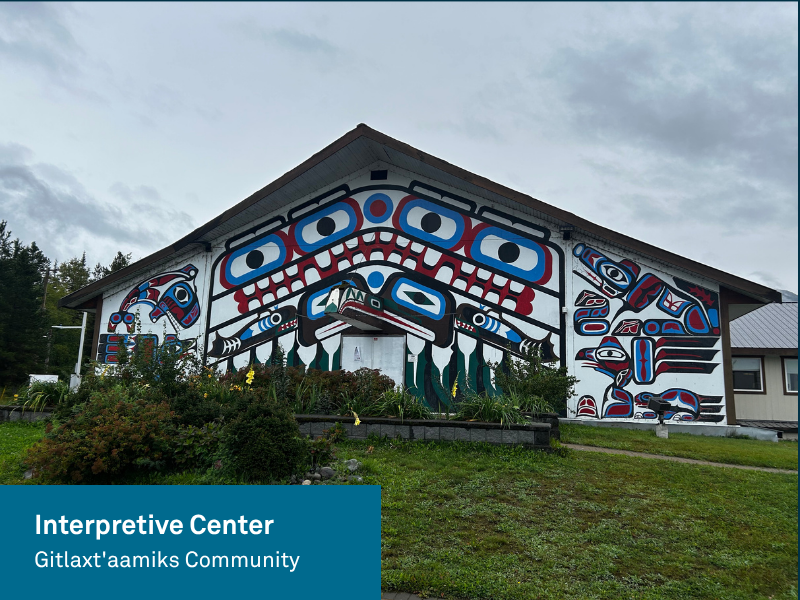
I think about the community that asked us to help with the restoration of a community hall, an important and significant cultural building for the peoples of the nation. I think about the afternoon spent learning about cultural sites and community priorities over lunch. I think about the community that wanted help planning a sidewalk system so residents could move around more safely. I think about the cultural events that I have been so grateful to be invited to attend.
Those moments may seem small, but they're often where meaningful partnerships begin. In my experience, trust is built by taking the time to understand what matters to a community and finding ways to support those priorities. The foundation is built the same way most successful collaborations are built, through communication, follow-through, and a willingness to stay engaged, regardless of whether there is a major opportunity on the horizon.
Over the years, those conversations have grown into more than 30 Indigenous partnerships across Canada. Each one is different, but all of them started in a similar way: by taking the time to understand a community's priorities and finding ways to work together.
Every Partnership is Different
No two communities are the same, which means no two collaborations develop in the same way.
Over the years, I've seen communities focused on everything from employment opportunities and economic development to infrastructure improvements, long-term planning, and rebuilding following natural disasters. In more remote regions, priorities often centre around infrastructure and community improvements that can directly impact quality of life.
The most productive conversations begin by understanding how a community sees its future and where it wants to focus its efforts. Assumptions rarely lead to strong outcomes, but understanding does.
Relationships Do Not End When Projects Do
Projects have timelines. Communities do not.
Many of Allnorth's Indigenous partnerships have endured because they were never tied to a single opportunity. Conversations continue whether there is a project underway or not, often focusing on regional development activity, workforce needs, future opportunities, or simply staying connected over many years.
In some cases, those conversations begin before a project is even awarded. If Allnorth is pursuing work in a community's traditional territory, we often reach out early to share what we know and discuss what opportunities may emerge if the project proceeds. That early communication helps us both understand what may be coming, prepare for potential opportunities, and consider how they might want to participate if work moves forward.
Many of our collaborations have weathered economic downturns, project delays, leadership changes, and shifting priorities. What has kept them moving forward is a shared commitment to staying connected and finding ways to support one another as needs evolve.
A Practical Approach to Participation
As projects become larger and involve multiple communities, participation becomes more important and often more complex.
On a recent project that crossed several traditional territories, work was intentionally organized so that participation reflected where the work was taking place. It would have been easier, and likely less expensive, to manage the project through a single source, but that would have missed the point. The work affected multiple communities, so each community was included.
That approach required more coordination, more conversations, and more effort. But if we are working in your backyard, you deserve a seat at the table. That is simply how we have chosen to do business, whether the opportunity involves a major industrial development or a much smaller community project.
Participation does not always begin and end with engineering. Infrastructure and industrial projects create opportunities across a broad network of businesses and services. We've seen situations where understanding a project's scope and timeline early helped local businesses prepare for opportunities that may be years in the making, whether that meant investing in equipment, growing their workforce, pursuing training, or positioning themselves for future subcontracting work.
Over the years, we've often found ourselves acting as a connector between communities, project owners, contractors, and local businesses. Sometimes the most valuable contribution is simply sharing information, making introductions, or helping people understand what may be coming next.
We've seen firsthand how those conversations can help local businesses prepare, grow, and participate in opportunities close to home. Sometimes we win work out of it, and sometimes we don't. That's okay. If a community has a better understanding of what's coming, if local businesses are better positioned to participate, and if we've helped connect the right people, that's a positive outcome.
When Partnerships Grow
One of the most rewarding aspects of this work is seeing connections continue to grow.
I remember a conversation with a valued client about how a local Indigenous community could participate more meaningfully in the economic activity taking place in its territory that eventually evolved into a strong collaboration.
As development activity increased in the region, so did the work being done together. Engineering, surveying, materials testing, and other project support services created opportunities for community participation, local employment, and greater visibility into projects being developed close to home. Over time, that collaboration grew and supported many projects across the region and created a more tangible presence for both parties in the region. Like many successful partnerships, it evolved gradually through regular engagement, shared objectives, and a commitment to staying connected.
I've had the opportunity to be part of many Indigenous partnerships over the years, and no two are alike. Some began with a community need. Others started with a conversation, a lunch meeting, or a small piece of work that mattered locally, or was tied directly to a project being built in their territory.
Looking back, what stands out isn't any specific project. It's the trust that was built, the people we've met, and the opportunity to continue working together as communities, priorities, and industries evolved.
That's the part that matters most.
About the Author
Louis Garant, P.Eng. is Vice President, Business Development, Infrastructure at Allnorth and has been helping clients advance complex infrastructure and industrial projects for 26 years with the company. He has spent more than 15 years building trusted partnerships with Indigenous communities and development corporations, creating opportunities that support long-term economic growth, workforce development, and successful project outcomes.